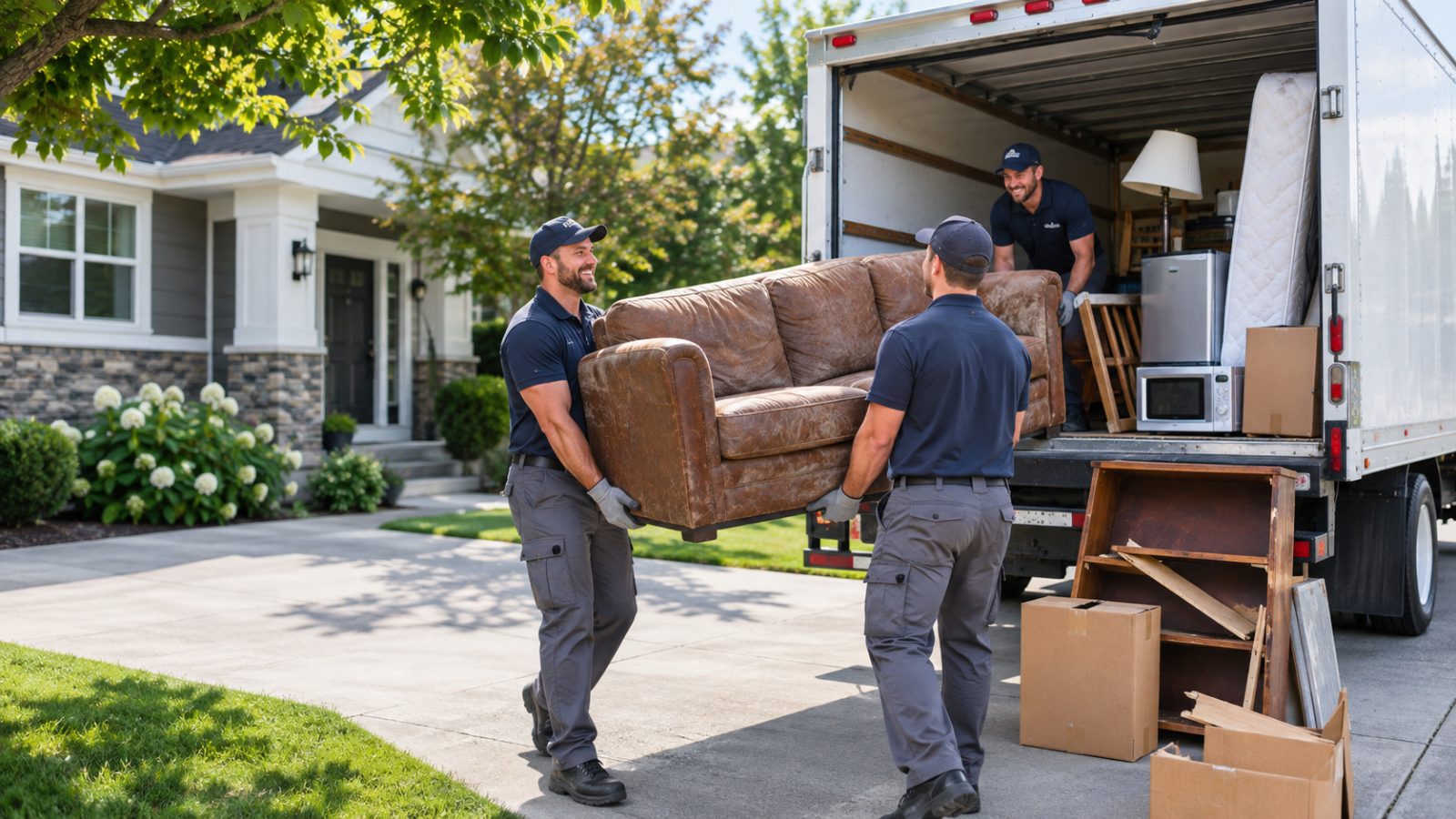
Outdoor Shed Demolition and Removal
Shed Removal Services in Buford, GA
Make room in your yard again. Get a Free Estimate
Outdoor Shed Demolition and Removal
Make room in your yard again. Get a Free Estimate
An unused shed can take up more room than you realize. Over time, wooden walls weaken, metal panels rust, doors become difficult to open, and the structure may no longer be worth repairing. Removing it can open space for a garden, patio, lawn, or new storage solution.
Junk Removal Buford GA helps property owners evaluate suitable shed removal projects. We discuss the structure's dimensions, materials, condition, access, and contents before estimating the work. Whether your shed sits behind a house in Buford or on a larger property in a nearby Georgia community, careful planning matters.
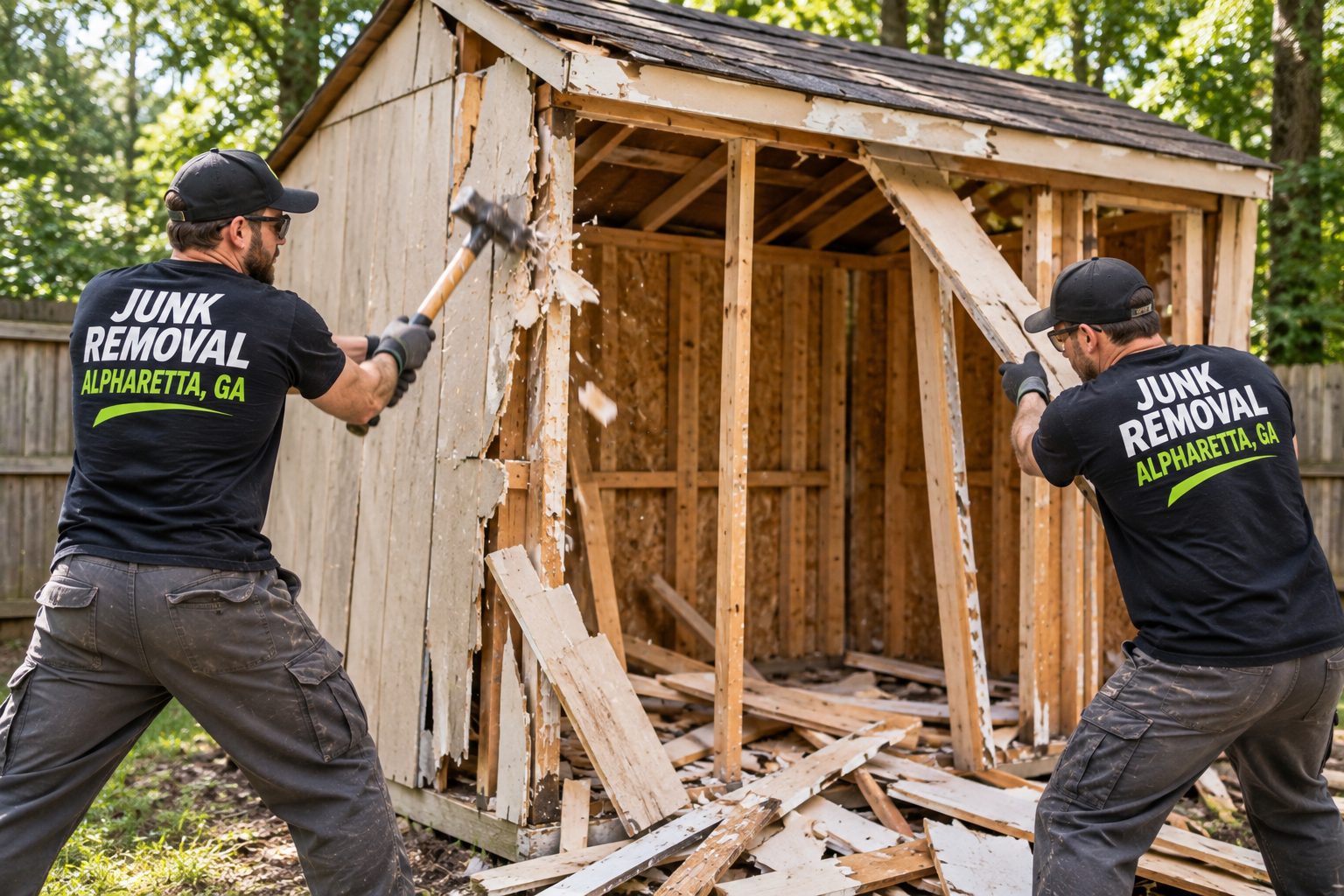
Shed removal often involves more than carrying away a few wooden boards. The structure may need to be emptied, disconnected from utilities, dismantled in sections, and separated into appropriate debris categories. The correct process depends on how the shed was constructed and whether it has a foundation, electrical connections, or other features requiring specialized work.
Wooden storage sheds can deteriorate because of moisture, insects, and general aging. Removal may involve carefully taking apart roofing, siding, framing, and flooring. The presence of unstable sections, treated lumber, or unusual materials can affect how the project is handled.
Metal sheds may be made from thin sheet panels secured to a lightweight frame. Rusted or sharp edges require careful handling during dismantling. Material separation and disposal requirements depend on the condition and type of metal involved.
Compact garden sheds and prefabricated storage structures may be candidates for removal when access and site conditions permit. The size of the structure does not always determine the complexity, especially when foundations, tight fencing, or difficult terrain are present.
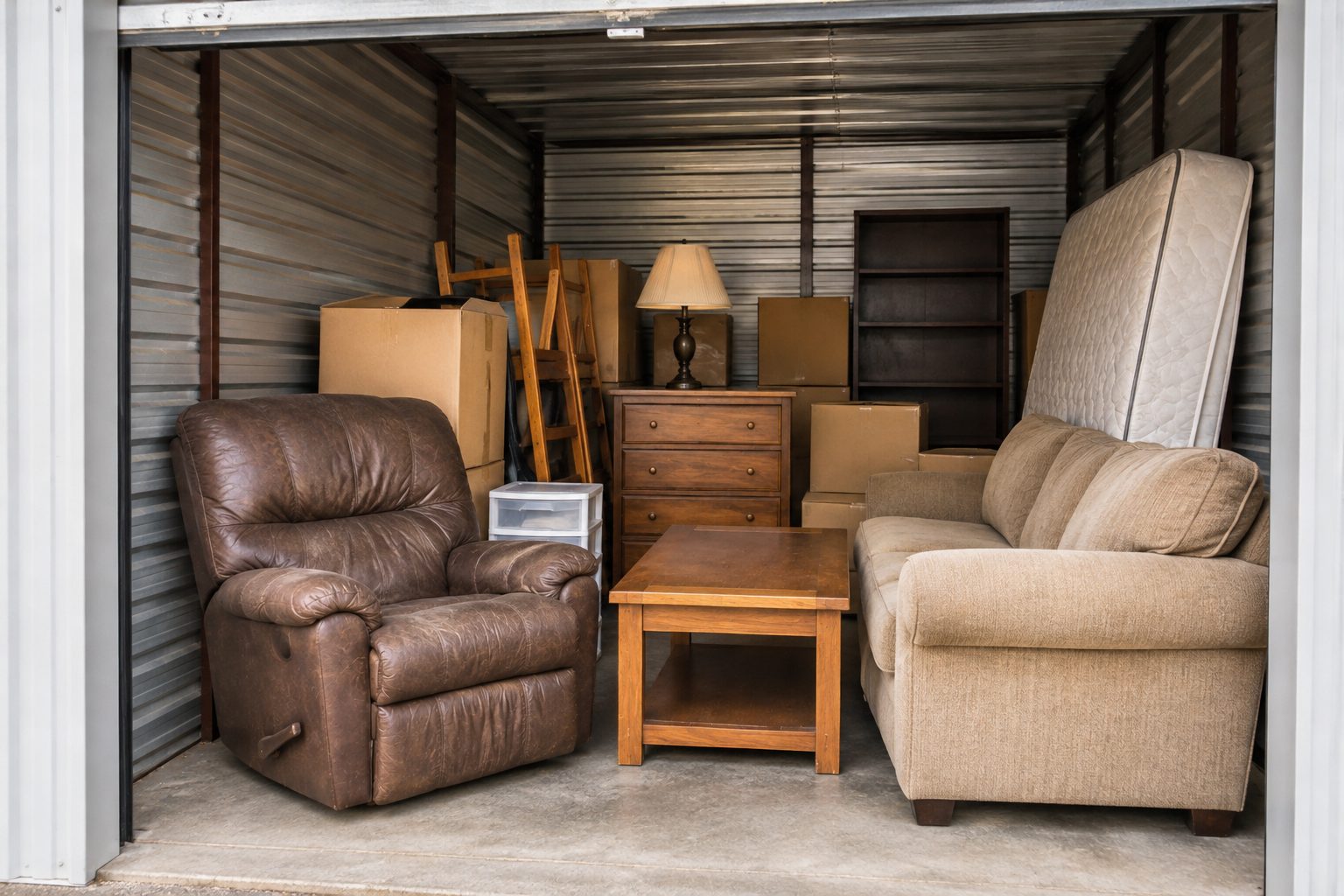
Old sheds frequently contain tools, paint, lawn equipment, containers, and forgotten belongings. Approved nonhazardous contents may be discussed as part of the project. Fuels, pesticides, chemicals, and similar materials must be identified for separate handling.
After a suitable structure is dismantled, the resulting wood, metal, and other approved debris must be loaded and transported. Disposal methods depend on local facility rules and the materials involved.
Once the structure is gone, property owners may want to prepare the area for a different purpose. Concrete slab removal, grading, landscaping, and major foundation work are separate considerations that should be evaluated before the project is scheduled.
| Service | Estimated Cost | Average |
|---|---|---|
| Small shed removal | Custom estimate | Size and access dependent |
| Medium wooden shed | Custom estimate | Demolition labor dependent |
| Large or complex shed | Custom estimate | Structural conditions dependent |
| Shed contents removal | Custom estimate | Volume and material dependent |
No fixed prices or market averages are represented. Shed removal pricing depends on size, construction, condition, accessibility, labor, disposal fees, and any required preparation. Utility work, foundations, and permit-related tasks may involve separate providers.
We evaluate each structure rather than assuming every shed can be removed the same way.
Fences, landscaping, slopes, and distances from loading areas are considered during planning.
We discuss what materials are included and which conditions may require qualified specialists.
Our service is centered on getting approved unwanted structures and debris off the property.
Have an unwanted shed in Buford or a nearby community? Describe its size and location to request an estimate.
Free — no obligations
Provide approximate dimensions, construction material, age or condition, and photographs if available.
Identify utilities, permits, hazardous materials, stored belongings, and any structural concerns.
Discuss demolition scope, loading access, debris quantity, and expected disposal needs.
Proceed with suitable removal work after required preparation and scope approval.
Remove the approved dismantled materials and review the agreed condition of the work area.